
Key Clinical Summary & Takeaways
Female fertility difficulties most commonly involve ovulatory disorders (such as PCOS or thyroid imbalance), blocked or damaged fallopian tubes, endometriosis, uterine fibroids or polyps, and age-related decline in egg reserve. Diagnosis relies on targeted pelvic ultrasound, hormonal blood tests, AMH, and tubal patency checks such as HSG.
- Conception requires regular ovulation, open fallopian tubes, and a healthy uterine cavity.
- Pelvic ultrasound, selective hormone tests, AMH, and HSG form the core female evaluation.
- Many causes can be managed medically or through targeted ART procedures.
Core Biological Factors in Female Fertility
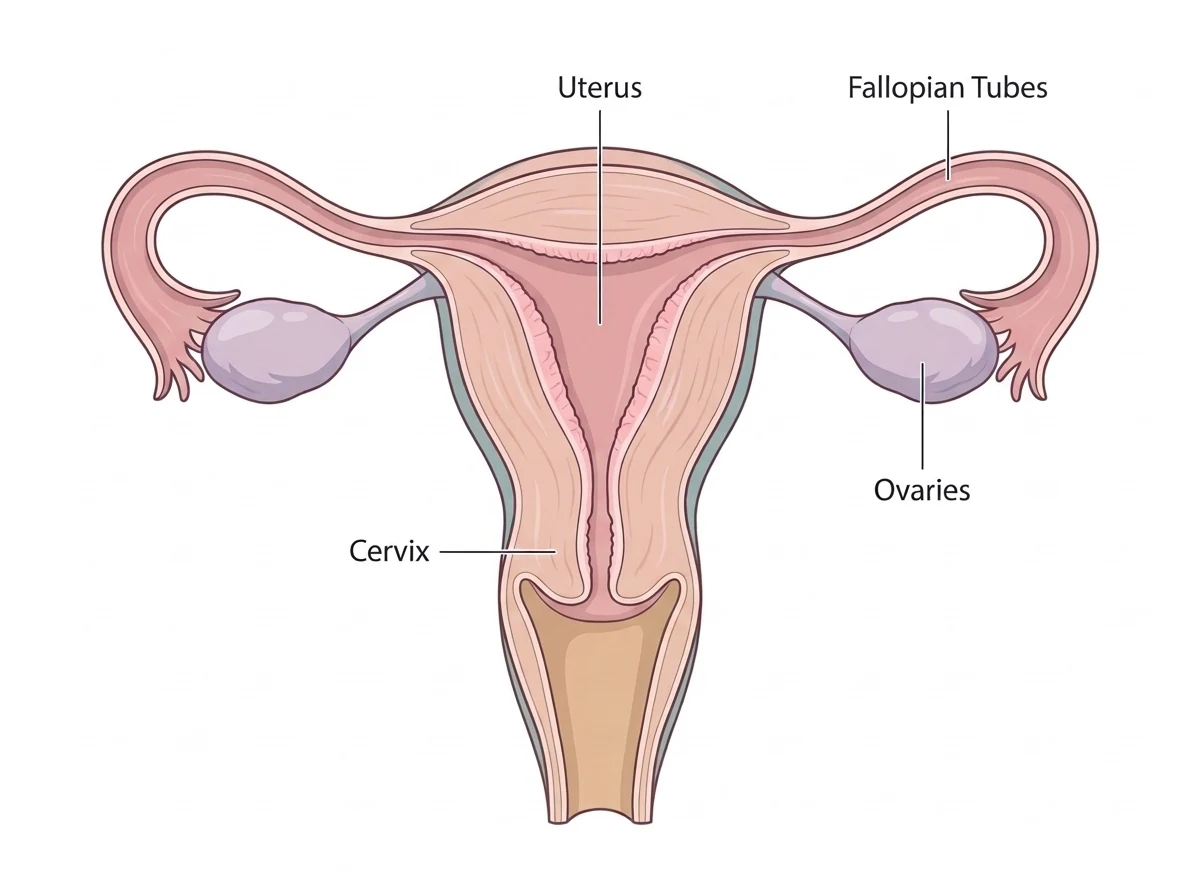
Specialists evaluate four interconnected systems when investigating female fertility difficulties:
- Ovulatory function: PCOS, thyroid or prolactin imbalances, or premature ovarian insufficiency.
- Fallopian tube patency: blockages or scarring from pelvic infections, tuberculosis, endometriosis, or past surgery.
- Uterine cavity & cervix: submucosal fibroids, endometrial polyps, septum, or intrauterine adhesions.
- Age & ovarian reserve: gradual decline in egg count and chromosomal integrity over time.
Key Investigations Used for Diagnosis
Rather than ordering unnecessary tests, doctors tailor investigations to symptoms—such as transvaginal ultrasound for uterus/ovaries, Day 2–3 hormone panels, AMH for ovarian reserve, and Hysterosalpingography (HSG) or sonosalpingography to verify tubal openness.
Your Journey Towards Parenthood Starts with the Right Guidance.
If you have been trying to conceive and would like to understand your fertility health, consult a qualified fertility specialist for personalised guidance.
Frequently Asked Questions
1. If my menstrual periods are regular, could I still have a fertility issue?+
Yes. Regular periods suggest ovulation is occurring, yet blocked fallopian tubes, endometriosis, uterine polyps, or male-factor issues can still affect conception.
2. Is HSG painful?+
HSG can cause brief period-like cramping for a few minutes; clinics advise gentle pain relief beforehand when needed.
Related Articles & Clinic Pages
Written By: Om Kilkari IVF Medical Team • Published: 2026-11-12
Authoritative Clinical References
Disclaimer: This article is for patient awareness and educational purposes only and does not replace personalised medical advice from a qualified fertility specialist.